How to Choose the Right Interior Designer for Your New York City Home
Read about the best NYC Interior Designer.Introduction
Choosing the right interior designer for your New York City home can feel like finding a needle in a haystack. With so many talented professionals in the city, where do you even start? Read about the best NYC Interior Designer. This guide will walk you through the steps to find the perfect match for your unique needs and style.
Why Hire an Interior Designer?
Hiring an interior designer isn't just for the rich and famous. A good designer can save you time, money, and headaches by helping you avoid costly mistakes and ensuring your vision comes to life. Plus, they bring a trained eye to create a cohesive, stylish, and functional space.
Understanding Your Needs and Style
Before you even start looking for a designer, take some time to understand what you want.
Assessing Your Personal Style
Are you into modern minimalism, or do you prefer a cozy, traditional look? Browse magazines, Pinterest, and design websites to gather inspiration.
This will help you communicate your style to potential designers.
Defining the Scope of Your Project
Are you redesigning a single room or your entire home? Do you need structural changes or just a cosmetic update? Knowing the scope will help you find a designer with the right expertise.
Researching Potential Designers
Now that you know what you need, it's time to find some candidates.
Online Resources
Websites like Houzz, Yelp, and the American Society of Interior Designers (ASID) can help you find local designers and read reviews.
Word-of-Mouth Recommendations
Ask friends, family, and colleagues if they can recommend anyone. Personal referrals can give you valuable insights into a designer's work and personality.
Visiting Showrooms and Galleries
Check out local showrooms and galleries to see designers' work firsthand. This can give you a sense of their style and quality.
Reviewing Portfolios
Once you have a list of potential designers, review their portfolios carefully.
Key Elements to Look For
Look for a diverse range of projects, attention to detail, and creativity. Make sure their work aligns with your style preferences.
Matching the Designer's Style with Yours
A designer's portfolio should resonate with your vision. If their past projects excite you, they might be a good fit.
Conducting Interviews
Narrow down your list to a few designers and set up interviews.
Preparing Questions
Ask about their experience, design process, timeline, and how they handle challenges. Also, inquire about their availability and how they charge for their services.
Assessing Communication Skills
Good communication is key to a successful project. Make sure the designer listens to your ideas and can articulate theirs clearly.
Checking References
Don't skip this step! It's crucial to get feedback from past clients.
Contacting Previous Clients
Ask for a list of references and contact them. Inquire about their experience, the quality of work, and any issues that arose during the project.
Evaluating Feedback
Pay attention to recurring themes in the feedback. Were clients happy with the final result? Textile Designer Did the designer stay within budget and timeline?
Discussing Budget and Costs
Be upfront about your budget and understand what you're getting into financially.
Setting a Realistic Budget
Determine what you're willing to spend and communicate this to your designer. They should be able to work within your budget or let you know if your expectations need adjustment.
New York City, with its vibrant culture, diverse architecture, and dynamic lifestyle, is a place where creating a unique and stylish living space can be both exciting and challenging. Engaging the services of an interior designer in NYC can transform your space, ensuring it reflects your personal style while maximizing functionality. Here are some key benefits of using an interior designer in the Big Apple:
1. Expertise and Professionalism
Interior designers possess the training, experience, and skills necessary to bring your vision to life. They understand the principles of design, space planning, and the latest trends. With an interior designer, you can avoid costly mistakes and achieve a cohesive look that aligns with your aesthetic preferences and lifestyle needs.
2. Access to Resources
NYC interior designers have access to a vast network of resources, including exclusive furniture showrooms, fabric houses, and artisans. They can source unique and high-quality pieces that you might not find on your own, ensuring your home stands out. This access also allows for custom solutions tailored specifically to your space.
3. Budget Management
A common misconception is that hiring an interior designer is expensive. However, a good designer can actually save you money by helping you make informed decisions. They can create a detailed budget, prioritize spending, and prevent unnecessary purchases. Their experience allows them to navigate the complexities of NYC pricing, ensuring you get the best value for your investment.
4. Time-Saving
Designing a home can be incredibly time-consuming, especially in a bustling city like New York. An interior designer manages all aspects of the project, from initial concept to final installation. This allows you to focus on your daily responsibilities while the designer handles the logistics, timelines, and coordination with contractors and suppliers.
5. Enhanced Functionality
An interior designer can optimize your space, making it both beautiful and functional. In NYC, where space can be limited, this is particularly valuable. Designers are adept at maximizing storage, improving traffic flow, and creating multi-purpose areas that enhance the usability of your home.
6. Stress Reduction
The process of designing and decorating a home can be overwhelming. An interior designer provides professional guidance and support, reducing the stress associated with the project. They handle the details and challenges, allowing you to enjoy the transformation of your space without the headaches.
7. Personalized Design
A skilled interior designer works closely with you to understand your needs, preferences, and lifestyle. They create a personalized design plan that reflects your personality and taste. Whether you prefer a modern, minimalist look or a classic, luxurious feel, an interior designer can bring your vision to reality.
In a city as dynamic and diverse as New York, having a well-designed home can significantly enhance your quality of life. An interior designer brings expertise, resources, and creativity to the table, ensuring your space is not only beautiful but also functional and uniquely yours. Investing in professional design services can be one of the best decisions you make for your home.
New York, often called New York City (to distinguish it from New York State) or NYC, is the most populous city in the United States. Located at the southern tip of New York State on one of the world's largest natural harbors, the city comprises five boroughs, each coextensive with a respective county. New York is a global center of finance[11] and commerce, culture, technology,[12] entertainment and media, academics and scientific output,[13] the arts and fashion, and, as home to the headquarters of the United Nations, international diplomacy.[14][15][16][17][18]
With an estimated population in 2023 of 8,258,035[5] distributed over 300.46 square miles (778.2 km2),[4] the city is the most densely populated major city in the United States. New York City has more than double the population of Los Angeles, the nation's second-most populous city.[19] New York is the geographical and demographic center of both the Northeast megalopolis and the New York metropolitan area, the largest metropolitan area in the U.S. by both population and urban area. With more than 20.1 million people in its metropolitan statistical area[20] and 23.5 million in its combined statistical area as of 2020, New York City is one of the world's most populous megacities.[21] The city and its metropolitan area are the premier gateway for legal immigration to the United States. As many as 800 languages are spoken in New York City,[22] making it the most linguistically diverse city in the world. In 2021, the city was home to nearly 3.1 million residents born outside the U.S.,[19] the largest foreign-born population of any city in the world.[23]
New York City traces its origins to Fort Amsterdam and a trading post founded on Manhattan Island by Dutch colonists around 1624. The settlement was named New Amsterdam in 1626 and was chartered as a city in 1653. The city came under English control in 1664 and was temporarily renamed New York after King Charles II granted the lands to his brother, the Duke of York,[24] before being permanently renamed New York in November 1674. New York City was the U.S. capital from 1785 until 1790.[25] The modern city was formed by the 1898 consolidation of its five boroughs: Manhattan, Brooklyn, Queens, The Bronx, and Staten Island.
Anchored by Wall Street in the Financial District, Manhattan, New York City has been called both the world's premier financial and fintech center[26][27] and the most economically powerful city in the world.[28] As of 2022, the New York metropolitan area is the largest metropolitan economy in the world, with a gross metropolitan product of over US$2.16 trillion.[9] If the New York metropolitan area were its own country, it would have the tenth-largest economy in the world. The city is home to the world's two largest stock exchanges by market capitalization of their listed companies: the New York Stock Exchange and Nasdaq. New York City is an established safe haven for global investors.[29] As of 2023, New York City is the most expensive city in the world for expatriates,[30] and Fifth Avenue is the most expensive shopping street in the world.[31] New York City is home by a significant margin to the highest number of billionaires,[32] individuals of ultra-high net worth (greater than US$30 million),[33] and millionaires of any city in the world.[34]
See also: Nicknames of New York City
In 1664, New York was named in honor of the Duke of York (later King James II of England).[35] James's elder brother, King Charles II, appointed the Duke as proprietor of the former territory of New Netherland, including the city of New Amsterdam, when the Kingdom of England seized it from Dutch control.[36]
Understanding Pricing Models
Some designers charge a flat fee, while others bill hourly or take a percentage of the project cost. Make sure you understand how they charge and what's included.
Understanding the Design Process
A clear understanding of the design process will help you know what to expect.
Initial Consultation
This is where you discuss your ideas, budget, and timeline. The designer will also share their initial thoughts and approach.
Design Development
The designer will create detailed plans and present options for materials, colors, and furniture. You'll review these together and make decisions.
Implementation and Follow-Up
The designer will oversee the implementation, ensuring everything goes smoothly. After completion, they may follow up to address any issues.
Legal and Contractual Considerations
Before signing on the dotted line, make sure you're clear on all legal aspects.
Reviewing Contracts
Read the contract carefully. It should outline the scope of work, payment schedule, timeline, and any other important details.
Understanding Terms and Conditions
Clarify anything that's unclear and make sure you're comfortable with the terms. Don't hesitate to ask for modifications if needed.
Trusting Your Instincts
Finally, trust your gut. If you feel comfortable and confident with a designer, that's a good sign. Your home is a personal space, and you need someone who understands and respects that.
Conclusion
Choosing the right interior designer for your New York City home is a significant decision, but by following these steps, you can find someone who will bring your vision to life. Remember to take your time, do your research, and trust your instincts. With the right designer, your home can become a true reflection of your style and personality.
The Top Interior Design Trends in New York City for 2024
Introduction
New York City is a melting pot of cultures, styles, and trends, making it a hub for cutting-edge interior design. As we step into 2024, the city's homes and apartments are showcasing a blend of innovation and tradition. From sustainable practices to smart home technologies, let's dive into the top interior design trends that are shaping NYC's living spaces this year.
Embracing Minimalism
Minimalism continues to reign supreme, offering a breath of fresh air in the bustling city environment.
Clean Lines and Simple Forms
The focus is on sleek, uncluttered designs with clean lines and simple forms. This trend emphasizes functionality and aesthetic harmony, creating spaces that feel open and serene.
Decluttering and Open Spaces
Decluttering is key to achieving the minimalist look. Open spaces, free of unnecessary items, allow for better flow and a more relaxed atmosphere. This trend encourages homeowners to keep only what is essential and meaningful.
Sustainable Design
As environmental concerns grow, sustainable design has become a pivotal trend in NYC.
Eco-Friendly Materials
Designers are increasingly using eco-friendly materials such as reclaimed wood, recycled metals, and organic fabrics. These materials not only reduce the environmental footprint but also add a unique, rustic charm to interiors.
Energy-Efficient Lighting
Energy-efficient lighting, including LED and solar-powered options, is gaining popularity. These lighting solutions are not only environmentally friendly but also help in reducing energy bills.
Bold Color Palettes
While minimalism thrives on neutrality, 2024 also sees a surge in bold color palettes.
Statement Walls
Statement walls in vibrant hues like deep blues, rich greens, and fiery reds are making waves. These bold choices add character and focal points to rooms, breaking the monotony of neutral tones.
Vibrant Accents
Bright and colorful accents, such as cushions, rugs, and artwork, are being used to inject energy and personality into spaces. These pops of color can transform a room from bland to lively.
Smart Home Integration
Smart homes are no longer a futuristic concept; they're a present-day reality.
Voice-Activated Assistants
Voice-activated assistants like Alexa and Google Home are becoming standard in NYC apartments. They offer convenience by controlling lighting, temperature, and security systems with simple voice commands.
Automated Lighting and Security
Automated lighting and security systems enhance both the functionality and safety of homes. These systems can be programmed to adjust based on the time of day or occupancy, adding a layer of intelligence to everyday living.
Biophilic Design
Biophilic design, which integrates nature into indoor spaces, is increasingly popular.
Indoor Plants and Green Walls
Indoor plants and green walls not only beautify interiors but also improve air quality and boost mental well-being. They're a simple way to bring the calming effect of nature indoors.
Natural Light Utilization
Maximizing natural light through large windows, skylights, and open floor plans is a key aspect of biophilic design. Natural light makes spaces feel more open and inviting while reducing the need for artificial lighting.
Multifunctional Spaces
With space at a premium, multifunctional rooms are a necessity in NYC.
Home Offices
Home offices have become crucial as remote work continues to be prevalent. These spaces are designed to be both functional for work and stylish enough to blend with the home's overall aesthetic.
Flexible Living Areas
Flexible living areas that can serve multiple purposes-such as a living room that doubles as a guest room-are highly sought after. Furniture that can easily be reconfigured supports this trend.
Textural Variety
Mixing different textures adds depth and interest to interiors.
Layered Textiles
Layered textiles, like combining velvet cushions with wool throws, create a cozy and inviting atmosphere. This trend is all about tactile experiences that make a home feel warm and welcoming.
Mixed Materials
Mixing materials such as metal, wood, and glass can add a dynamic and modern touch to interiors. This eclectic approach allows for creativity and personal expression.
Artisanal and Handcrafted Pieces
There's a growing appreciation for artisanal and handcrafted decor.
Unique Decor
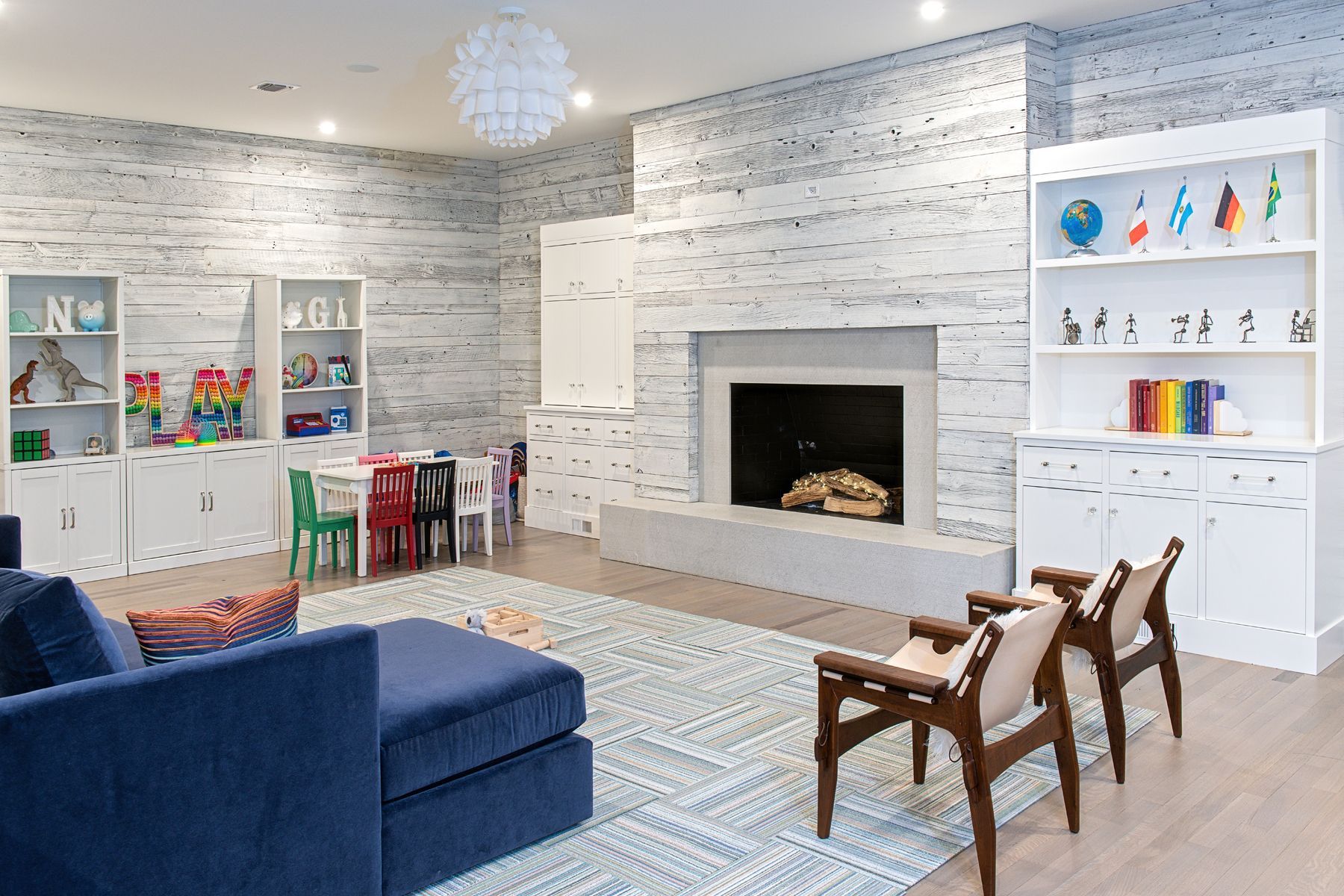
Unique decor items, like handwoven baskets or custom pottery, add a personal touch to interiors. These pieces often tell a story and bring character to a space.
Custom Furniture
Custom furniture, designed to fit specific spaces and needs, is becoming more popular. It offers a perfect blend of functionality and aesthetics, tailored to the homeowner's vision.
Vintage and Retro Styles
Nostalgia plays a big role in 2024's design trends.
Mid-Century Modern Revival
Mid-century modern design, with its clean lines and functional forms, is making a comeback. This style brings a timeless elegance to interiors, combining the best of old and new.
Antique Accents
Antique accents, like vintage mirrors or heirloom furniture, add a touch of history and sophistication. These pieces can create a striking contrast when paired with contemporary design elements.
Luxurious Textures
Luxurious textures add a touch of opulence to any space.
Velvet and Silk
Velvet and silk fabrics are being used for everything from cushions to drapes. These materials exude luxury and comfort, making them perfect for creating elegant interiors.
Plush Carpets and Rugs
Plush carpets and rugs not only add warmth but also a sense of luxury underfoot. They are an excellent way to define spaces and add texture to a room.
Monochromatic Themes
Monochromatic themes create a cohesive and sophisticated look.
Black and White Decor
Black and white decor remains a classic choice. This timeless combination can be both bold and understated, making it versatile for various design styles.
Shades of Grey
Shades of grey, from light to dark, offer a modern and sophisticated palette. This theme is perfect for creating a serene and elegant environment.
Statement Lighting
Lighting is not just functional; it's also a key design element.
Chandeliers and Pendant Lights
Chandeliers and pendant lights are being used as statement pieces. These fixtures can transform a room, adding drama and elegance.
Sculptural Light Fixtures
Sculptural light fixtures double as works of art. These unique designs can be a focal point in any room, adding both light and artistic flair.
Personalized Spaces
Personalization is key to making a house feel like a home.
Bespoke Design Elements
Bespoke design elements, such as custom-built shelves or tailored upholstery, add a personal touch to interiors. These elements reflect the homeowner's personality and preferences.
Family Heirlooms and Memorabilia
Incorporating family heirlooms and memorabilia into the decor creates a sense of history and continuity. These items add sentimental value and make a space uniquely yours.
Conclusion
As we navigate 2024, the interior design trends in New York City reflect a blend of innovation, sustainability, and personalization. Whether it's through embracing minimalism or incorporating bold color palettes, the key is to create spaces that are not only aesthetically pleasing but also functional and reflective of individual tastes. By staying ahead of these trends, you can ensure your home is both stylish and comfortable, truly embodying the vibrant spirit of NYC.
Expert Tips for a Successful Home Renovation with an Interior Designer
Introduction
Home renovation can be an exciting yet daunting endeavor. Whether you're updating a single room or revamping your entire house, the process involves countless decisions and detailed planning. One of the best ways to ensure a successful renovation is to work with an interior designer. Not only can they bring your vision to life, but they also offer expertise and resources that can save you time and money. Let's dive into some expert tips to make your home renovation project a success.
The Importance of Home Renovation
Renovating your home can significantly enhance its functionality and aesthetics. It's an opportunity to customize your living space to better suit your needs and style. Moreover, a well-executed renovation can increase your property's value, making it a worthwhile investment.
Role of an Interior Designer
An interior designer plays a crucial role in transforming your ideas into reality. They bring a wealth of knowledge about design principles, materials, and the latest trends. More importantly, they help streamline the renovation process, ensuring everything from planning to execution goes smoothly.
Planning Your Home Renovation
Assessing Your Needs and Goals
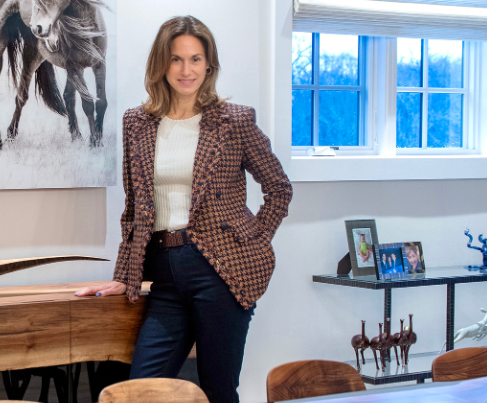
As soon as possible! Lara can come in at any point, but we’ll be the most helpful during the architectural phase for new construction or large additions/renovations. Knowing where the furniture, lighting, etc. will be going BEFORE construction starts can often prevent costly re-dos.
Whatever works best for you! If you have a contractor you love, we are happy to work with them. If you need awesome recommendations or want to compare estimates, Lara will gladly refer her amazing team!
Starting with a comprehensive walk through of your home and/or review of your plans, we gather your ideas and desires for your home. Next, designs are created with in-house drawings, renderings, and design boards. After your approvals, we facilitate costs, create a schedule, and begin ordering. Upon work commencing, we manage contractors, oversee progress, inspect and place deliveries. Finally, styling will finish your home and now it’s time to host your housewarming party!
Great! Please fill out our form on our Contact Page, the more details you share, the better! Or call our office at 914-939-5777, we look forward to hearing from you!
Anything for the interior of your home! Lara shops for, or has custom made in one of her artisan workrooms, any of the following: flooring, countertops, tile, hardware, paint, wallpaper, plumbing fixtures, lighting fixtures, bathroom fixtures, kitchen fixtures & appliances, furniture, outdoor furniture, fabrics, rugs, window treatments, pillows, bedding, artwork, mirrors, & accessories. Lara has established relationships with many trade-only manufacturers, giving her access to the most exceptional and unique items not available to the public.
Our project budget minimum is $150K (construction and décor costs). Each year we take a couple of projects that fall under this depending on location and other variables. Please fill out the form on our Contact Page with your design details to see if we’d be a good fit, we’d love to hear from you!
Yes! Lara loves to travel and meet clients wherever they reside. The same expert design processes apply for out-of-state projects to ensure a smooth and seamless experience. Although most of our clients reside in Westchester, NY and Greenwich CT, Lara has completed projects in many other locations.
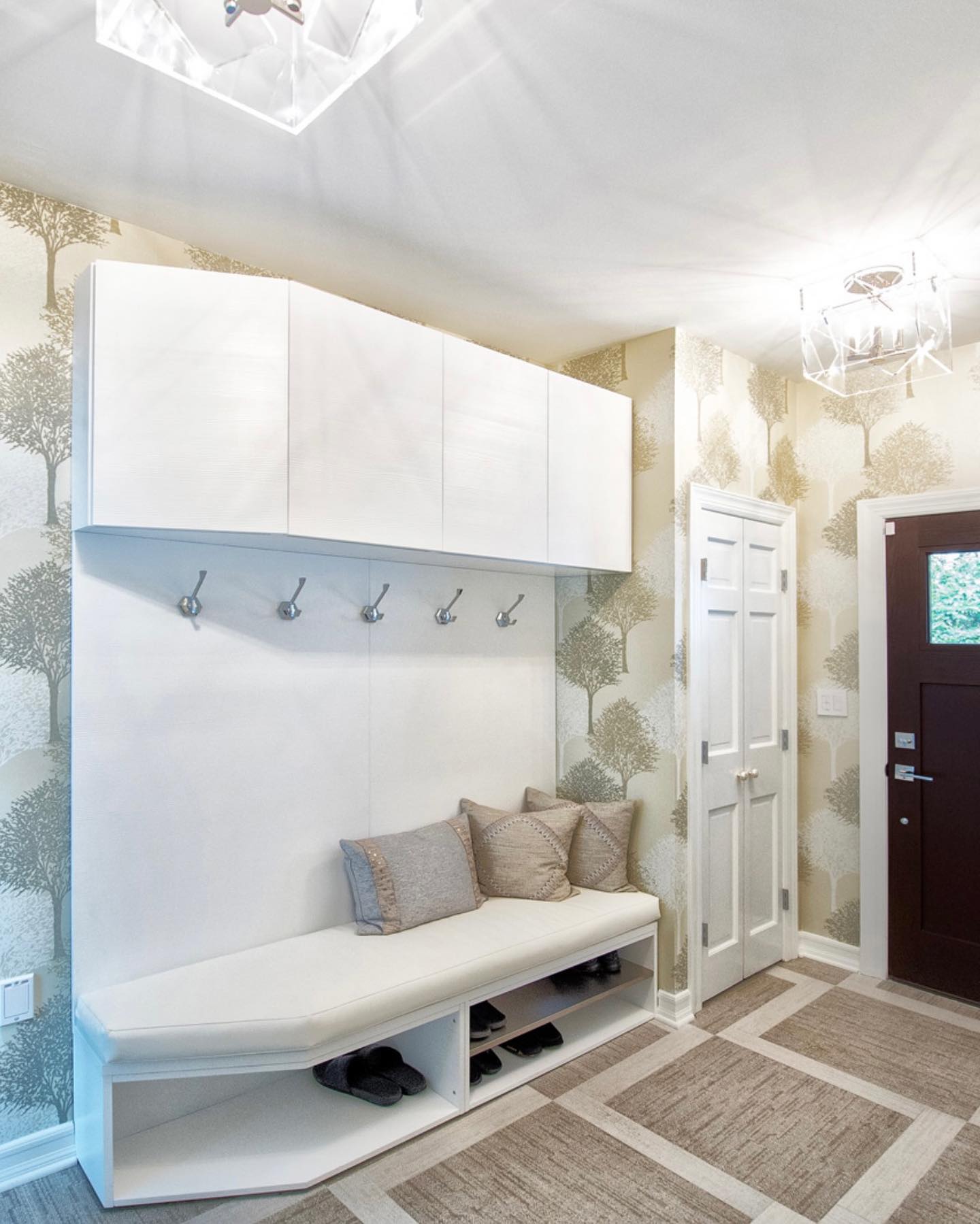
Yes! Our kitchens and most bathroom designs include Lara’s custom cabinetry. Built-ins such as bookcases, TV units, mudroom benches & cubbies, fireplace mantels, wall paneling, detailed moldings…you name it, we can do it beautifully and typically faster than any cabinetry company.
Our full-service interior design firm will take your home design project from start to finish. From creating tailored-made, innovative designs, to implementing them, to overseeing construction, then ordering, installing, and finally to styling, we do it all. We are with you every step of the way to ensure no detail is overlooked and all goes according to plan. Under Lara & her team’s watchful eye, you can relax and enjoy the process.
Absolutely! Lara purposefully limits the number of projects she takes on at a time so she can personally create and oversee each one. Forging long lasting relationships with clients is something she is proud of and why past client’s consistently call her back.